Ethics of Whale Shark Swimming

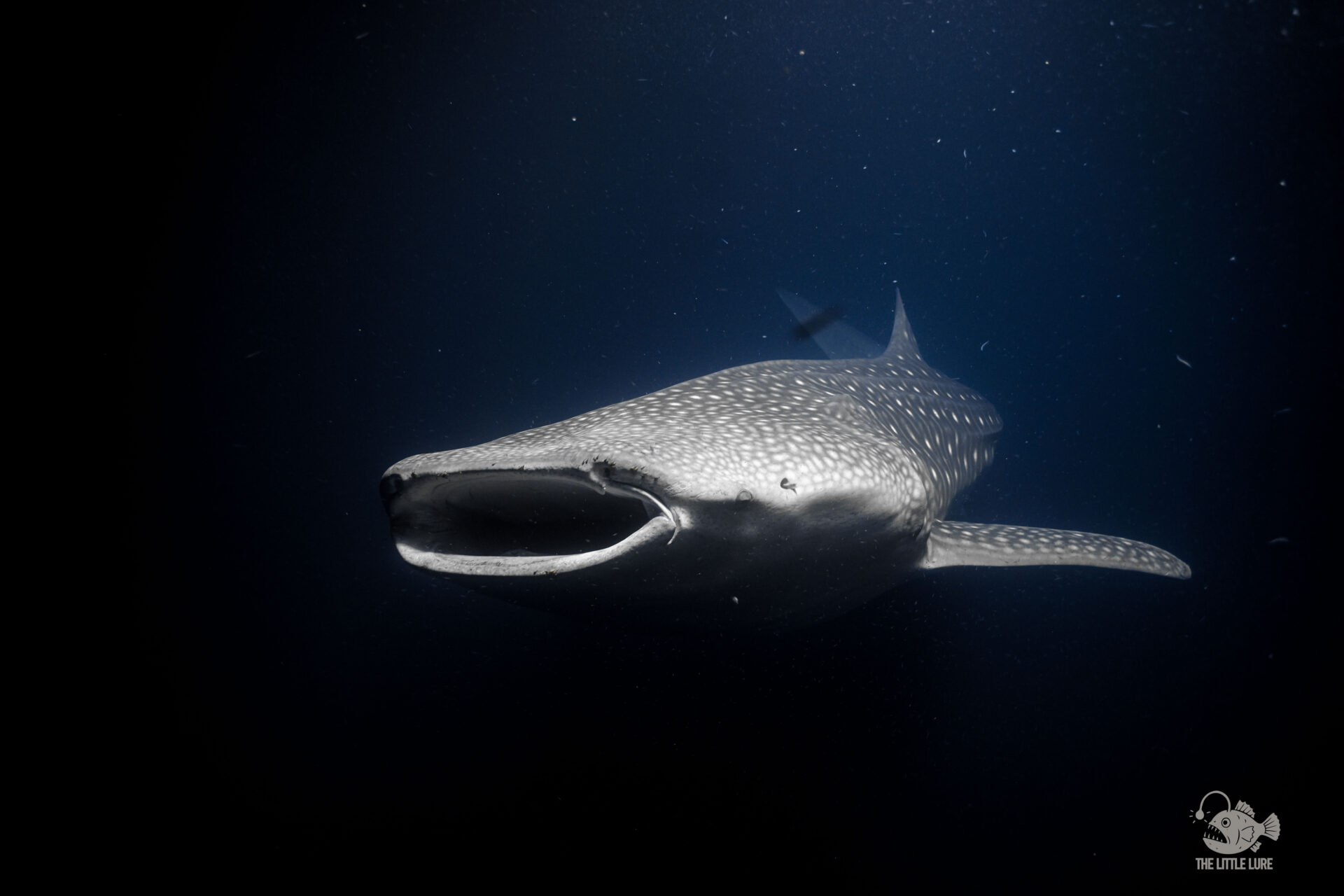
Whale shark swimming is often described as a “once-in-a-lifetime” experience. And it is. Floating beside the world’s largest fish—watching its massive, spotted body glide through the water—is absolutely amazing! It also sometimes happens with 100 of your closest friends.
But as this experience becomes more popular, so does the need to ask: Are we interacting with these gentle giants in ways that truly protect them—or just consuming them for entertainment? How do our interactions change their movements or eating patterns?
There is no perfect whale shark interaction, only better ones. And if you end up picking a whale shark company or encounter that ends up not feeling good, don’t beat yourself up! Use it as an opportunity to learn and try to do better next time. Ultimately, an alive whale shark is better than a dead whale shark, and tourism can be the very thing that keeps them alive. Here are some whale shark destinations.
This post explores the ethical considerations of whale shark swimming and how we, as travelers and ocean lovers, can make informed, responsible choices.
1. Feeding Programs Do More Harm Than Good
One of the biggest red flags in whale shark swimming is feeding or baiting to guarantee sightings. This is most notably an issue in places like Oslob, Philippines, where whale sharks are hand-fed to lure them into shallow waters, and has also been known to occur in various parts of Indonesia.
While this creates easy access for tourists, it also:
- Alters their natural migration routes
- Causes nutritional deficiencies
- Increases the risk of injuries from boats and propellers
- Encourages unnatural behavior and dependency
Avoid locations that use feeding to attract whale sharks. Instead, choose destinations like Donsol, La Paz, or Ningaloo Reef, where sightings happen naturally and human impact is minimized.
2. Close Doesn’t Always Mean Respectful
In many destinations, whale shark swimming has become a high-demand activity—and not all encounters are created equal. In some places, tour operators allow or encourage swimmers to get dangerously close to the animal, sometimes even touching or blocking its path. Just because you’ve seen it on Instagram doesn’t mean it’s a good choice (for you or the animal)!
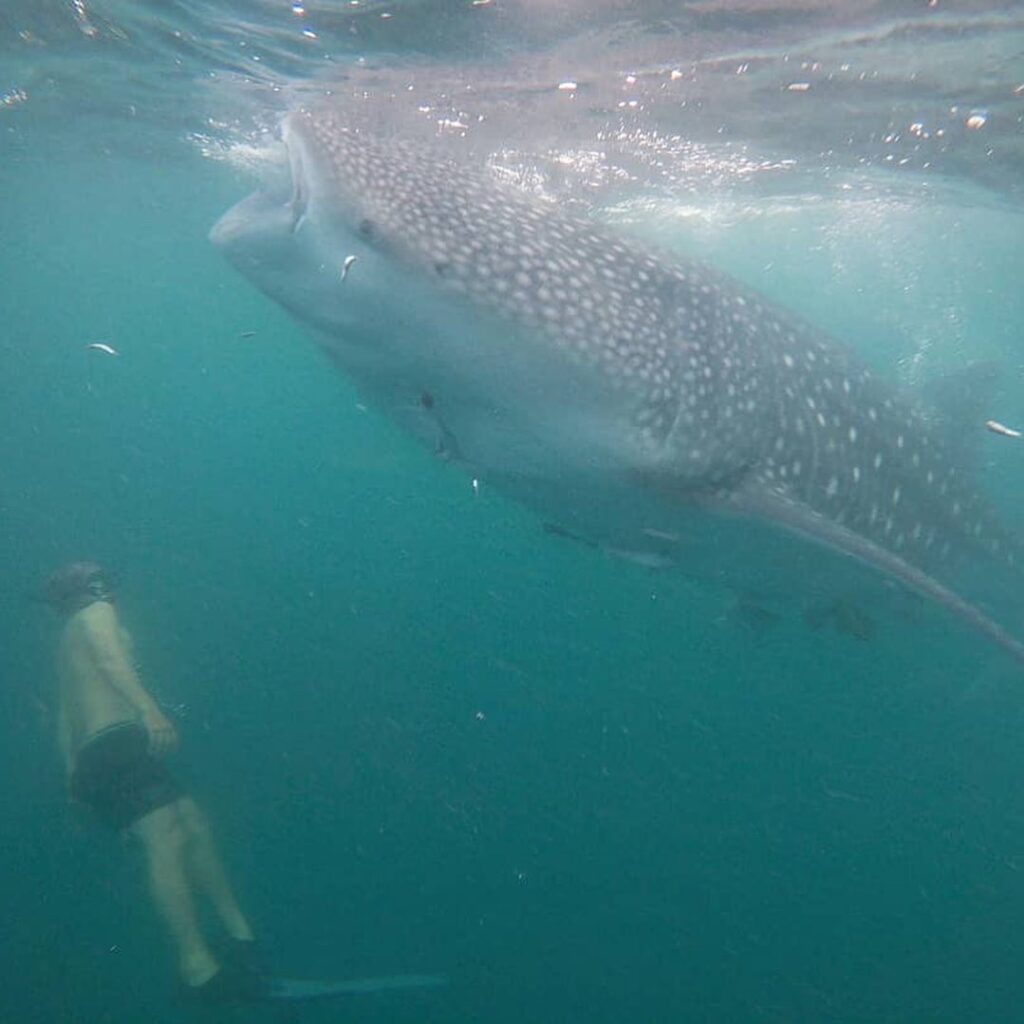
While whale sharks are docile, they are still wild animals. Physical contact can damage their sensitive skin and disrupt their natural behavior.
Maintain a respectful distance—at least 3 meters from the body and 5 meters from the tail. Never touch or chase a whale shark. Let them come to you, if they choose to.
3. Regulation Matters
Some destinations have established strict regulations to ensure whale shark swimming is done responsibly. In places like La Paz, Mexico, daily permits limit the number of boats and swimmers, and operators are trained to follow specific interaction guidelines.
Unfortunately, not all regions have this kind of oversight. In unregulated areas, it’s common to see overcrowding, boats chasing whale sharks, or swimmers mobbing the animals.
Do your homework. Look for destinations with government regulations, marine park protections, and responsible operators.
4. Conservation or Commodification?
Many tour operators market their experiences as “eco-friendly” or “sustainable,” but those terms are often unregulated and used for marketing more than actual impact. Responsible tour companies will:
- Be respectful of rules and regulations
- Limit swimmer time in the water and/or how many passes swimmers will get
- Limit swimmer group sizes
- Provide educational briefings about whale shark behavior and protection
If you have any concerns, ask operators before you book.
5. Whale Shark Swimming as a Catalyst for Action
Whale shark swimming should be more than just a bucket-list item. Done thoughtfully, it can be a gateway to deeper environmental awareness.
Whale sharks face threats far beyond tourism, including:
- Plastic pollution
- Illegal fishing and bycatch
- Ship strikes
- Climate change, which affects plankton availability
If you’ve had the privilege of seeing one in the wild, consider turning that experience into advocacy—support ocean protection laws, reduce your plastic use, and help spread awareness about marine conservation.
Whale shark swimming, when done ethically, is a chance to connect with something far larger than ourselves. It’s not about the selfie or the story—it’s about being present in a moment of wild magic, and walking away changed by it.
If we want these creatures to be around for future generations, we must protect their space, respect their boundaries, and let their needs—not our desires—lead the interaction.
Because the most meaningful experiences with nature are the ones that leave it better, not worse, for having been visited.